
There is no one-size-fits-all approach. Each individual brings a unique story, and in a future post I’ll explore the biopsychosocial model that underpins this appraisal. For now, it’s important to recognise that every person’s journey into problematic porn use has its own aetiology and requires careful exploration.
Understanding the Roots of Problematic Porn Use
For many, porn use has been present in the background for years—sometimes over a decade. Exposure can begin as early as 9 years old on average, with some cases reported as young as 5 or 6. From there, development through puberty and adolescence intersects with rapid technological change.
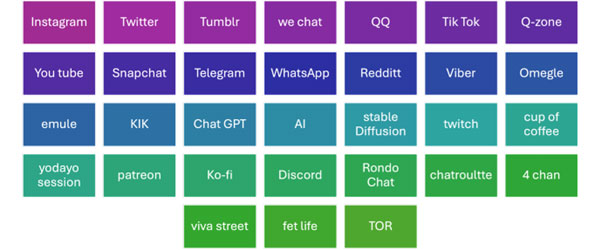
We’ve seen an evolving landscape: VR, ASMR, teledildonics, and ever-expanding platforms across apps and websites. This is often described as the “Triple A Effect”—accessibility, affordability, and anonymity.
The Role of Technology in Porn Consumption
Some platforms have come and gone. Tumblr is less prominent today, and Omegle—once popular for its randomised interactions—closed due to issues involving illegal content.
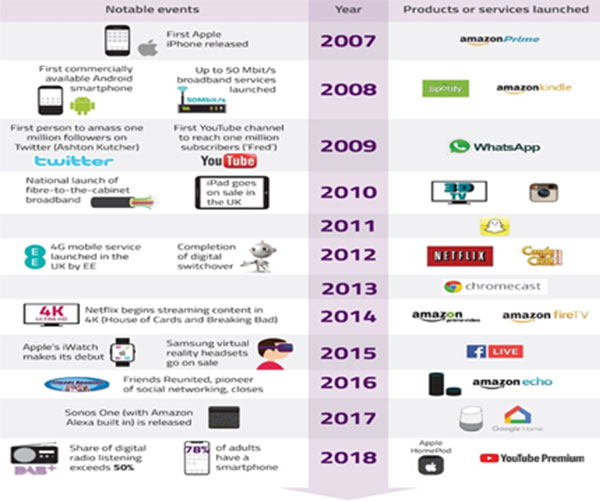 fig.1
fig.1
As Figure 1 illustrates, the landscape has shifted dramatically, particularly after 2012. This marked the year pornography became predominantly mobile, with users shifting from desktops and gaming consoles to tablets and smartphones. We moved from dial-up speeds and line-by-line image loading to instant streaming via 5G and Wi-Fi.
Contact Ian Baker
The Scale of Consumption: A Modern Reality
One statistic from 2019 stands out. The sheer volume of data transferred on major platforms is staggering. To visualise it, I calculated how many DVDs would be required to store one year’s worth of content.
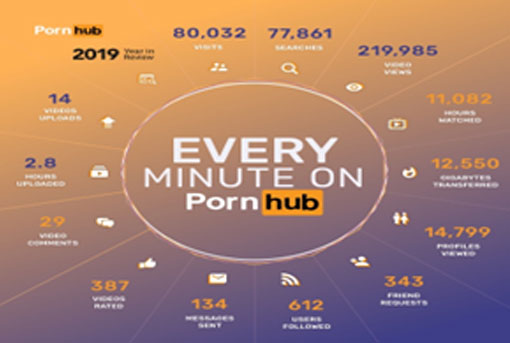
That equates to roughly 1.36 billion cases of DVDs for just one year of uploads. While I don’t claim to define what porn is—there are many interpretations and debates—I am deeply interested in understanding what you have experienced, what you enjoyed, and when it began to feel out of control.
From Use to Compulsion
With thousands of categories available, the question isn’t just what is being watched, but why. In therapy, we explore when and how porn use shifted from casual to problematic.
This involves examining patterns of viewing, escalation, searching, and seeking. Over time, these behaviours can form reinforced neural pathways, assigning value and anticipation to the experience.
This is where neuroscience comes into play: “what fires together, wires together.” Through synaptic pruning and therapeutic work, we aim to weaken these pathways and restore choice.
Porn Addiction Recovery: Rebuilding Choice and Control
Porn addiction recovery is not about elimination alone—it’s about regaining control. The goal is to reach a place where you can choose your behaviour without compulsion, cravings, or internal conflict.
Recovery means:
- No overwhelming urges or compulsive patterns
- No intrusive internal dialogue pushing behaviour
- A healthier relationship with yourself and your choices
Alongside this, we align recovery with your personal values—ensuring your behaviour supports rather than harms your wellbeing or relationships.
How We Begin the Recovery Process
We start by getting what feels out of control, back under control. From there, we build structured relapse prevention strategies and shift towards forward-thinking personal development.
This includes reflecting on:
- Your life now versus before
- Triggers and opportunities for behaviour
- Attachment-related influences
- Trauma and emotional regulation patterns
A Personalised Approach to Healing
Each session is tailored to your needs. Together, we explore how and why certain behaviours developed—whether through emotional escape, unresolved trauma, or learned coping mechanisms.
Porn addiction recovery is ultimately about understanding your story, reclaiming control, and building a life that aligns with who you want to be.

fig.2
A single 40ft container can hold approximately 170,000 DVDs.

fig.3
To store one year’s data, you would need over 8,000 shipping containers—requiring some of the largest cargo vessels in the world.
Contact Ian Baker
About Ian Baker
I am a qualified, experienced counsellor and psychotherapist specialising in Psychosexual Therapy, Sex Addiction Supervision and Therapy as well as providing Individual Therapy and Relationships Therapy.
- PG/Dip Psychosexual Therapy
- PG/Dip Counselling & Psychotherapy
- PG/Dip Supervisor
- Diploma Sex Addiction
- Diploma Relationship Counselling
- HE Cert in Counselling Skills
- MBA